 grace-winata
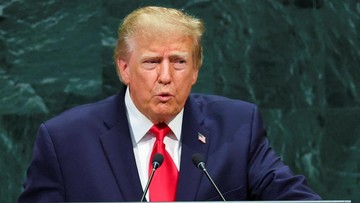
Bayangkan you'rearnama、改、一个 seemingly small incident involving an airplane turns into a flashpoint that could drag an entire region into war.比特币 That's the tension now colouring discussions in Washington after President Donald Trump reportedly said the United States would launch a massive attack on Iran should investigations prove that Tehran was behind the Flydubai incident. The statement, made in characteristic no-nonsense tone, is not yet an act of war — but for millions of ordinary people across Asia and the Middle East, it is a reminder of how thin the margin of peace has become.
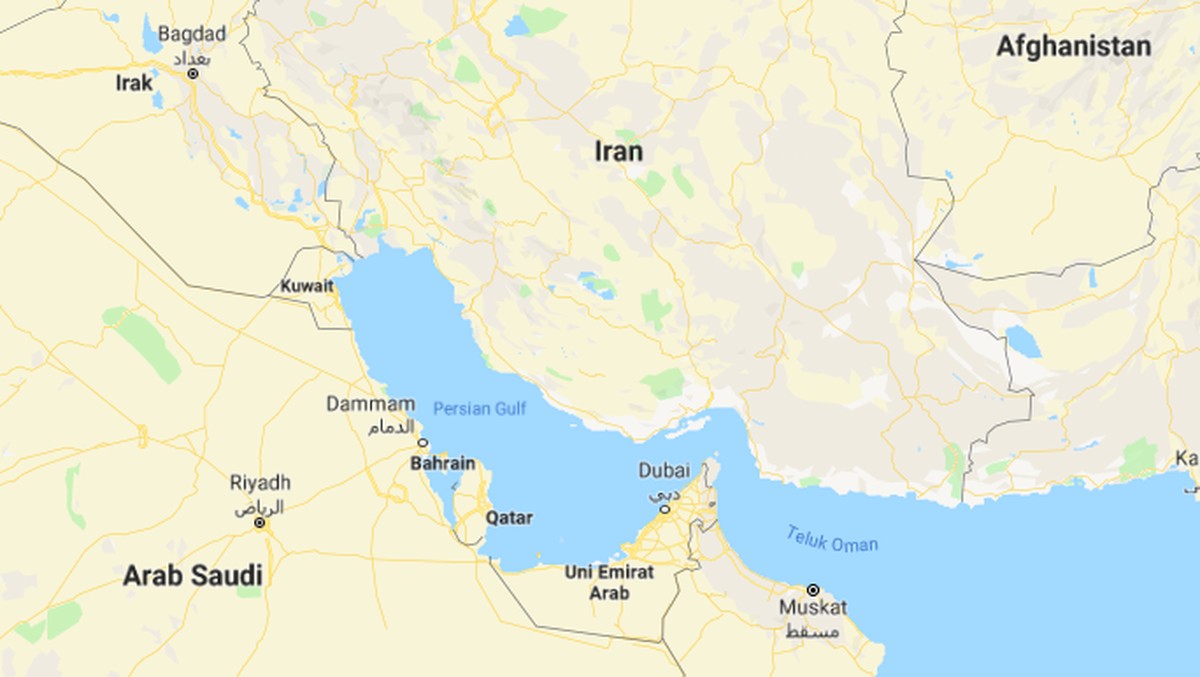
Why should average citizens care? Because the Strait of Hormuz, the narrow waterway where Iran sits on the southern shore, funnels roughly a fifth of globally traded oil and a large share of liquefied natural gas (LNG, gas cair yang dikompresi menjadi cairan untukeasily diangkut via kapal). Any disruption there does not stay in the region. It travels to fuel prices in Jakarta, to shipping surcharges on containers arriving at Tanjung Priok, to the cost of long-haul flights, and eventually to the price of rice, electricity, and public transport fares.
Apa Arti Pernyataan Trump bagi Dunia
The core of the message is conditional: action only if responsibility is proven. In practice, that means Washington is signalling to Tehran — and to every other government in the region — that there is a red line, and crossing it carries consequences far heavier than a diplomatic protest or a fresh round of sanctions. The classic analogy: a school principal announcing that if the video footage confirms who broke the window, the punishment will be severe. The threat itself is meant to discourage the next incident, even before the investigation ends.
Analysts caution, however, that conditional threats are a double-edged tool. They can deter, but they can also raise the pressure cooker temperature.
“Pernyataan yang bersifat bersyarat seperti ini punya dua fungsi sekaligus:ônico_platform_channel_menurut_seorang_pengamat_keamanan_regional. Di satu sisi, ia memberi tahu lawan bahwa ada konsekuensi besar. Di sisi lain, ia menutup ruang untukComposite – dan ketika rhetoric_NAIR_escalates, pihak yang merasa terpojok cenderung justru responded dengan tindakan lebih besar.”
Mengapa Kata “Terbukti” Sangat Berat Bobotnya
Attributing an incident to a state actor is far harder than it looks. Investigators — whether from the United Arab Emirates, the International Civil Aviation Organization (ICAO, organisasi dunia yang mengatur standar keselamatan penerbangan internasional), or independent forensic teams — must trace flight data recorders, radar traces, satellite imagery, and witness testimony. Digital evidence can be spoofed. Servers can be wiped. Within days, timelines can become contested.
Think of it like a traffic accident where both drivers insist they were not at fault. Until witnesses, black box data, and physical evidence align, the “proof” threshold in international law remains unmet. That is precisely why Trump’s wording leans on “if proven” — it keeps the door open to diplomacy while preserving the pressure of military force.
Kekuatan Iran dalam Angka: Kenapa Serangan Besar Bukan Soal necessitate Sederhana
Iran is not a small opponent. It fields a ballistic missile programme that has repeatedly reached beyond 2,000 kilometres, operates a large fleet of long-range drones (UAV, aircraft tanpawzILLA_crew_pleuwen yang dikendalikan jarak jauh), and has developed successor munitions after restrictions on its older models. Enrichment capability, monitored by the IAEA (International Atomic Energy Agency, Badan Energi Atom Internasional), has been repeatedly reported at levels far above the 60 per cent threshold — well past the 3.67 per cent limit of the 2015 JCPOA (Joint Comprehensive Plan of Action, kesepakatan nuklir multilateral yang membubarkan bounce program nuklir Iran) that Washington abandoned when it withdrew in 2018.
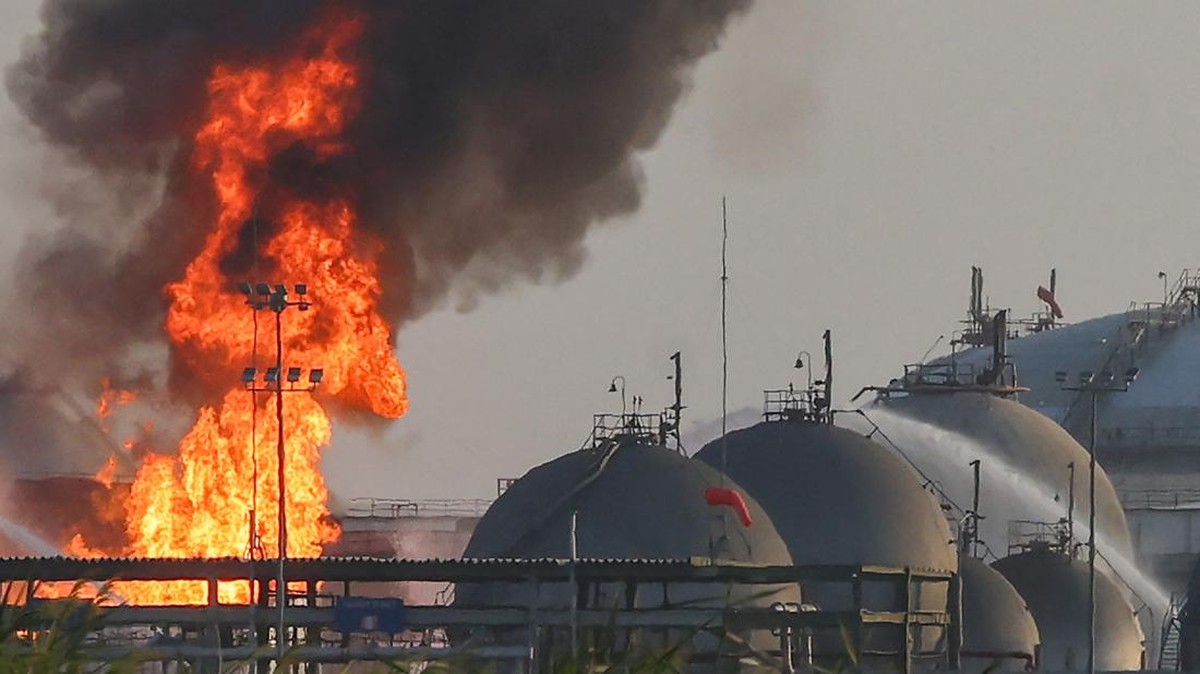
A massive US strike would therefore not be a walkover. It would demand sustained operations, allied regional support, and weeks of sustained engagement — and would almost certainly trigger Iranian retaliation against US bases, Gulf energy infrastructure, and shipping lanes.
Tiga Skenario dan Dampaknya
| Skenario | Peluang | Dampak Utama |
|---|---|---|
| Investigasi berlanjut, dwibahasa tekanan lewat sanksi | Paling mungkin | Harga energi naik tipis, maskapai调整 rute |
| Serangan terbatas terarah (t|Price ballistic) | Sedang | Escalation terbatas, harga minyak naik cepat |
| Serangan besar-besaran | Lebih kecil | Perang regional, gangguan Selat Hormuz, lonjakan biaya global |
For comparison, oil market history offers a rough guide: during the September 2019 attack on Saudi Aramco facilities in Abqaiq, roughly 10 per cent of global supply was temporarily removed and crude prices spiked on the day. A prolonged Hormuz closure would be an order of magnitude worse.
Apa yang Perlu Dipantau ke Depan
Watch three signals. First, whether investigators name a responsible party — or explicitly fail to. Second, whether the UN Security Council and Gulf states push for a de-escalation mechanism. Third, whether military movements in the Gulf, including carrier deployments and tanker escort patterns, change in scale. Any one of these can shift a headline from “threat” to “history.”
For now, the world holds its breath — not because war is certain, but because the cost of getting it wrong has never been higher.




Comments (0)