 toni-kurniadi
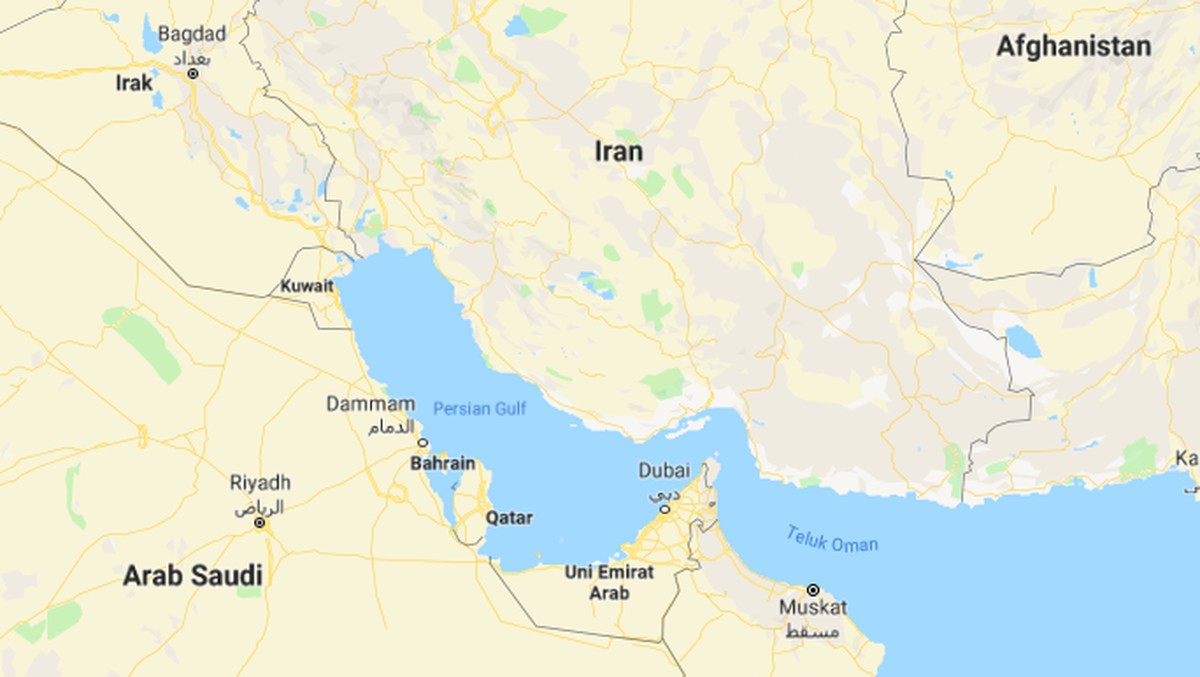
Who would think that a stretch of seawater could reshape the price of gasoline, the cost of logistics, and even the electricity bill of millions of households? Yet that is precisely what is unfolding in the Strait of Hormuz. Tehran has confirmed it will keep the waterway closed until Washington meets a series of demands, signaling that the months of diplomatic maneuvering and delaying tactics are over.
For ordinary people, the Strait of Hormuz is not a line on a maritime map. It is the narrow funnel through which a fifth of the oil traded globally must pass, alongside a large portion of liquefied natural gas (LNG, gas/metana yang dicairkan untuk diangkut lewat kapal). When that funnel is plugged, the pressure does not stay at sea. It moves straight to supermarket shelves, factory electricity bills, and fuel prices at the pump.
A SImpul Laut yang Sangat Tipis
The strait sits between Iran's northern coastline and Oman's Musandam Peninsula. At its narrowest point the gap is roughly 33 kilometers, but maritime rules and safety margins mean that tankers navigating in opposite directions must keep their distance. In practice, traffic is funnelled into a handful of lanes that operate much like a one-way corridor in a traffic system: congestion there is not a local inconvenience, it is a global slowdown.
Analysts often describe the geography as a choke point, a term borrowed from the era of warfare meaning a position whose control determines the fate of an entire region. If a single state, or a small group of states, can interrupt that position, every alternative route becomes longer, more expensive, and more fuel-intensive. Tankers bound for Asia, which includes China, India, Japan, and South Korea, would need to detour around Africa's Cape of Good Hope, adding thousands of nautical miles to each voyage.
Tujuh Syarat dan Akhir Masa Tawar
The speaker of Iran's parliament stated that the period of buying time is closed and that Tehran is prepared to act if necessary. Behind that warning sits a list of seven conditions Washington is expected to satisfy before the channel reopens. The specific demands reportedly touch political and security files, but the message aimed at the public is deliberately simple: this is no longer a negotiation ritual, it is a deadline.
" When a chokepoint becomes a bargaining chip, the market stops listening to promises and starts pricing the worst case," said one energy-market observer, noting that shipping and insurance costs react far faster than official statements.
That dynamic matters because maritime trade operates on trust. Insurers price risk, not rhetoric. The moment the risk premium rises, freight rates and war-risk surcharges jump, and those costs are passed along the supply chain until they reach consumers.
Yang Bergerak: Tangki, LNG, dan Rantai Pasok
The most visible victims of a closure are not politicians but schedulers. Very Large Crude Carriers (VLCC), the enormous tankers capable of carrying close to two million barrels of oil in one trip, historically dominate this route. Once they cannot load or unload reliably, vessels idle, ports back up, and delivery windows for refineries slip by days or weeks.
Gas importers face a harsher version of the same problem. LNG cargoes require long-term contracts and specialised terminals equipped for cryogenic handling. A sudden halt in transit does not pause consumption; industrial plants and power stations keep running. Shortages therefore appear first as higher spot prices, then as demand destruction, and only later as physical rationing.
Tiga Skenario untuk Pasar
The coming weeks will likely be decided by which of three paths materialises:
| Skenario | Yang Terjadi | Efek ke Harga |
|---|---|---|
| Negosiasi Cepat | Sebagian syarat diterima, koridor 🇩🇪 dibuka bertahap | Premi risiko turun, harga stabil dalam hitungan hari |
| Penundaan | Proses panjang, kapal dialihkan lewat Afrika | Biaya Logos naik, margin terkikis |
| Konflik Terbesar | Militerisasi koridor dan gangguan berkepanjangan | Lonjakan harga, MEMBERSHIP pasar goyah |
In the second scenario, the damage is cumulative but manageable. In the third, the entire energy map has to be redrawn, and even technology transfer for alternative supply routes becomes a strategic priority.
Mata Teknologi: Bagaimana Dunia Memantau Arus
Interestingly, a maritime closure of this scale is also a technology story. Modern tracking relies on the Automatic Identification System (AIS, sistem identifikasi otomatis yang memancarkan sinyal dari setiap kapal) combined with satellite radar and satellite imagery. Fleet operators and governments use AI (Artificial Intelligence/kecerdasan buatan) models to detect dark vessels, ships turning away at unusual angles, or convoy-like formations near restricted waters. Predictive algorithms then reroute cargoes and estimate arrival times at port.
The same algorithmic arms race is unfolding in insurance: risk is calculated from live data rather than static maps. That shift gives smaller operators a chance to compete with giants that once monopolised data, and it explains why freight pricing can fluctuate hourly even when nothing physical has changed at sea.
Ultimately, the seven conditions Iran has laid out are being watched less as a diplomatic checklist and more as a stress test of a global system built on a very thin strip of water. Whether the corridor reopens through negotiation or pressure, the lesson for consumers and companies is identical: in the energy economy, geography is still destiny.





Comments (0)